
How to Prepare Your Backyard for Plunge Pool
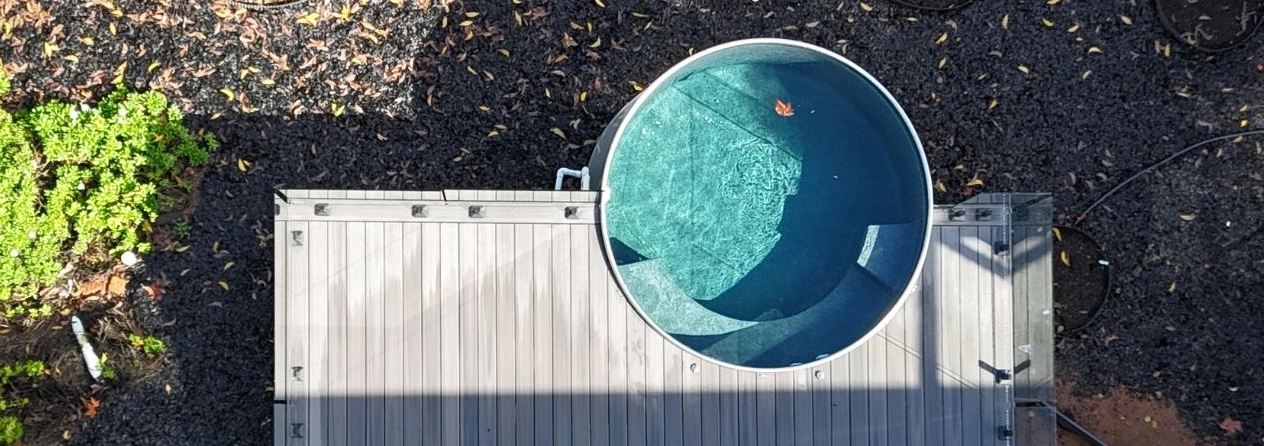
It’s easy to get caught up with how your plunge pool is going to look like. But first, you need to have answers for:
How much does plunge pool installation cost, and if your backyard is ready for one?
If not properly planned, your project will result in budget wastage, delays, and regrets. Before the installation starts, here is a checklist of what really matters.
What is the price of putting in a plunge pool?
This is where what you expect and what really happens often don’t match up. You may have seen prices for entry-level items online and thought: How much does it cost to put in a plunge pool?
The short answer is that it depends on the kind of pool and the conditions at your site.
Average Prices for Plunge Pools in Australia
- Precast concrete pools cost between $25,000 and $55,000
- Custom concrete plunge pools cost between $50,000 and $120,000 or more
- Fibreglass plunge pools cost between $30,000 and $85,000
- Vinyl-liner pools start at $11,000
Outpack Plunge Pool Packages
- Outback’s Classic package starts at $19,000
- Outback Lite plunge pool costs starts at $9,390
- Outback’s outdoor Tub costs between $4,990 and $9,990
But here’s the most important thing that most people miss:
When everything is added up, the total cost of installation can often reach $50,000 to $100,000 or more. That’s because putting in a pool shell is only part of the job.
You will need to set aside money for digging, plumbing, electrical work, fencing, and landscaping. Depending on where you live, even council permits can cost an extra $500 to $1,500.
Why the Pool Itself Isn’t as Important as the Site Conditions
Two backyards can be put in the same plunge pool, but the prices can be very different. Why? Because of the conditions on the site.
First, you need to check your backyard for:
- A flat area with good drainage
- A safe distance from utilities that are underground
- Not too much interference from tree roots or branches that hang down
- Good sun exposure to warm the water naturally
Many homeowners don’t think about this at first, but picking a spot with lots of sunlight can actually lower heating costs over time.
Access Can Make or Break Your Budget
Even if your backyard is big enough, getting to it is often the hardest part. Most installations need machines and, in many cases, a crane. Costs go up quickly if access is hard. For instance:
- Smaller equipment may be needed for narrow access.
- Some pools need to be craned over the house.
- It costs $10,000 to $20,000 or more to install a complicated lift.
This is one of the things that people forget to think about when they figure out how much to put in a plunge pool.
What Really Happens During the Installation Process
If you’ve been looking for how to put in a plunge pool, it’s helpful to know the whole process, not just the main parts.
It all begins with planning and getting ready. A good site assessment makes sure that the ground is stable, that there is enough drainage, and that there are no underground services in the way.
Then, the digging starts. This step needs careful digging and removal of soil for in-ground plunge pools. Costs can go up a lot if you run into rock.
After the hole is ready, a perfectly level, engineered base is made. This step is very important. If the base isn’t done right, it could cause problems with the structure or even void warranties later.
After that, a crane usually brings the pool and puts it in place. After that, the plumbing and electrical systems are connected, along with any heating or filtration parts.
When installing a pool in the ground, it is usually filled with water before backfilling. This lets the structure settle on its own and takes some of the stress off the shell.
Paving, decking, and fencing are then added to the area around it.
How long does it take to install?
Plunge pools are much easier to set up than regular pools.
- Above-ground plunge pools can be set up in just a few hours.
- In-ground plunge pools usually take a few days to a few weeks to build.
- Precast and fibreglass pools are the fastest; some projects can be ready to swim in just a few days after the groundwork is done.
Safety Requirements and Council Approvals
You must meet the requirements of your local council before installation can begin. This usually includes:
- Fencing around the pool that has been approved
- Signing up with the local government
- Following the right setback distances
In Australia, pool fencing must also have a zone that people can’t climb over. This changes where you can put things like buildings, furniture, or landscaping near the pool.
If you don’t follow these rules, it could take longer to get certified and cost more later.
Should You Choose Above-Ground or In-Ground?
A lot of people ask – can a plunge pool be installed above ground? Our answer is always yes, and depending on the site it could be a good choice.
Above-ground pools are:
- Easier to put up
- Less expensive digging
- Great for blocks that are hard or sloped
Whereas, in-ground pools:
- Look more smooth
- Increase your property’s value
- Give better insulation
Your budget, the conditions at the site, and your long-term plans will help you make the right choice.
The Advantages of Putting in a Plunge Pool
Once everything is in place, the reward comes in form of relaxation.
Plunge pools are made for modern lifestyle in need of a calm retreat. They fit well in small backyards and still give you a high-end outdoor feel.
They also use less water and chemicals than regular pools, which keeps the cost of running them lower. It’s also easier to keep clean, so you can spend less time cleaning and more time enjoying the space.
Adding a plunge pool can raise the value of any property, especially in cities where outdoor features are in high demand.
Costs and Upkeep That Keep Happening
It’s important to think about more than just installation. Depending on the type of pool and how often it is used, most homeowners spend between $600 and $1,500 a year on upkeep.
Fibreglass pools are usually the easiest to take care of, but concrete pools may need more work over time. Modern systems, such as robotic cleaners and automated dosing, can make things even easier.
Before deciding on anything, make sure you are aware of how much it can cost you in the long term.
Are you ready to get your backyard ready the right way?
Deciding on a plunge pool for your outdoor living space means thinking about more than just the design.
Know all the why’s and how’s of the build, so that costs, site requirements, and installation process don’t surprise you. The best thing to do is to get professional advice that is specific to your property.
Talk to a professional team like Outback today and get a clear plan for how to install a plunge pool and incorporate relaxation with add-ons and other features.
Frequently Asked Questions About Plunge Pool Installation
How much does it cost to install a plunge pool in Australia?
The price of a fully installed plunge pool is usually between $50,000 and $100,000. The pool itself may seem cheap, but the real cost comes from digging it out, getting to it, putting up a fence, and finishing it.
Can I have a plunge pool installed above ground?
Yes. People often use above-ground or semi-inground plunge pools on sloped blocks or where digging is hard. They go up faster, but they don’t always look as good as in-ground designs.
How long does it take to install a plunge pool?
It all depends on how it’s set up. Some prefabricated pools can be put together in just a few days, but most projects take a couple of weeks once the digging and finishing work are done.
Do I need council approval to install a plunge pool?
Yes, in most cases, and you don’t want to miss it. Even a small plunge pool has to follow safety and fencing rules, and you usually need permission before you can start building it. Costs aren’t too high (usually between $500 and $1,500), but if this step isn’t done early, it could cause delays.
What is the cheapest way to install a plunge pool?
The cheapest option is usually a simple above-ground setup. But a lot of homeowners end up hiring a professional to do the work after realising how important it is to have proper drainage, structure, and compliance.
How much does it cost to run and maintain a plunge pool?
The costs of keeping the pool up are usually low, between $600 and $1,500 a year, depending on the type of pool and how often it is used.
Does a plunge pool add value to your home?
It can, especially in smaller backyards. A well-designed plunge pool can make a property more appealing and even raise its value, especially in cities where space is limited.

