






» Articles » The Truth About Stainless Steel Pools: What You Need to Know
We’re cutting through the marketing gloss to give you the honest truth about these pools—the pros, the cons, and what you should consider before diving in.
Note, this article refers to stainless steel pools where the internal surface is in direct contact with the water—not structural stainless shells that are lined with a membrane, vinyl, or gel coat. Those internal finishes fall under their respective categories and have their own performance characteristics. Here, we’re focusing on full-exposure stainless interiors, the kind marketed as “maintenance-free” and pure.
When it comes to choosing the right plunge pool for your home, there’s no shortage of options. Concrete, fiberglass, precast, vinyl—and then there’s stainless steel. Sleek, modern, and often hyped as a premium solution, stainless steel pools have gained attention for their stylish appeal and promises of longevity. But what’s the real story behind them? Are they truly worth the investment, or is the shine just skin-deep?
Stainless steel is a type of steel alloy known for its resistance to rust and staining, thanks largely to the addition of chromium—typically around 10.5% or more. When exposed to oxygen, the chromium reacts to form a thin, invisible layer of chromium oxide on the surface. This “passive layer” protects the metal underneath from corrosion and helps give stainless its durable reputation.
Different grades and finishes are used across industries—from surgical tools and kitchen sinks to architectural facades and tanks. In pools, however, that same protective layer is constantly under attack from chlorine, salt, UV rays, temperature swings, and physical abrasion. And once that layer is compromised, the underlying steel is vulnerable—just like any other metal.
There’s no denying stainless steel has a “wow” factor. With a clean, contemporary look and architectural polish, these pools are often seen in high-end resorts or commercial installations. They’re promoted for their sleek aesthetic, design flexibility, and resistance to cracking or algae.
But while the brochure highlights are easy to fall in love with, what they leave out is just as important—especially when that shiny metal is the very surface holding your pool water.
Many customers are drawn in by the marketing promise of a low-maintenance, ultra-durable, hygienic “pure” pool. But when the stainless is exposed to real backyard conditions – sunlight, chlorine, salt, kids, and seasonal changes – the story often shifts. Here’s what you won’t find on the sales sheet:
One of the more persistent marketing angles is that stainless steel pools are somehow “pure” or even self-sanitising—implying they’re cleaner or more hygienic than other materials. The truth? While stainless steel can inhibit bacterial growth more effectively than porous surfaces, it is not a bacteria or algae killer.
This misconception likely comes from its use in commercial kitchens and medical settings. But in those environments, surfaces are cleaned and sterilised constantly. In your backyard pool, you still need sanitising chemicals—chlorine, pH control, algaecides—just like any other pool. Stainless may help slow microbial buildup on the surface, but it’s not a substitute for proper water treatment or regular maintenance.
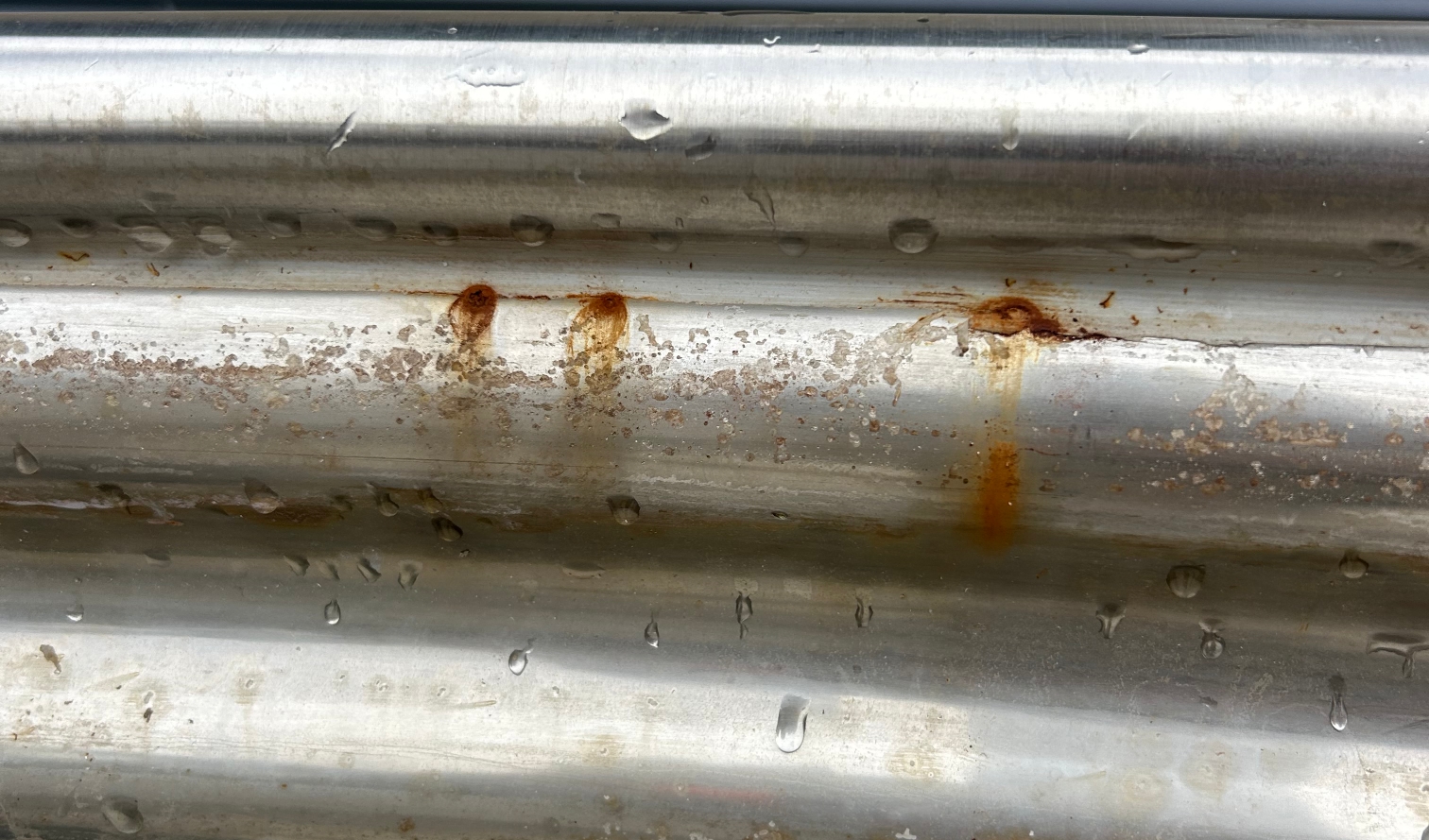
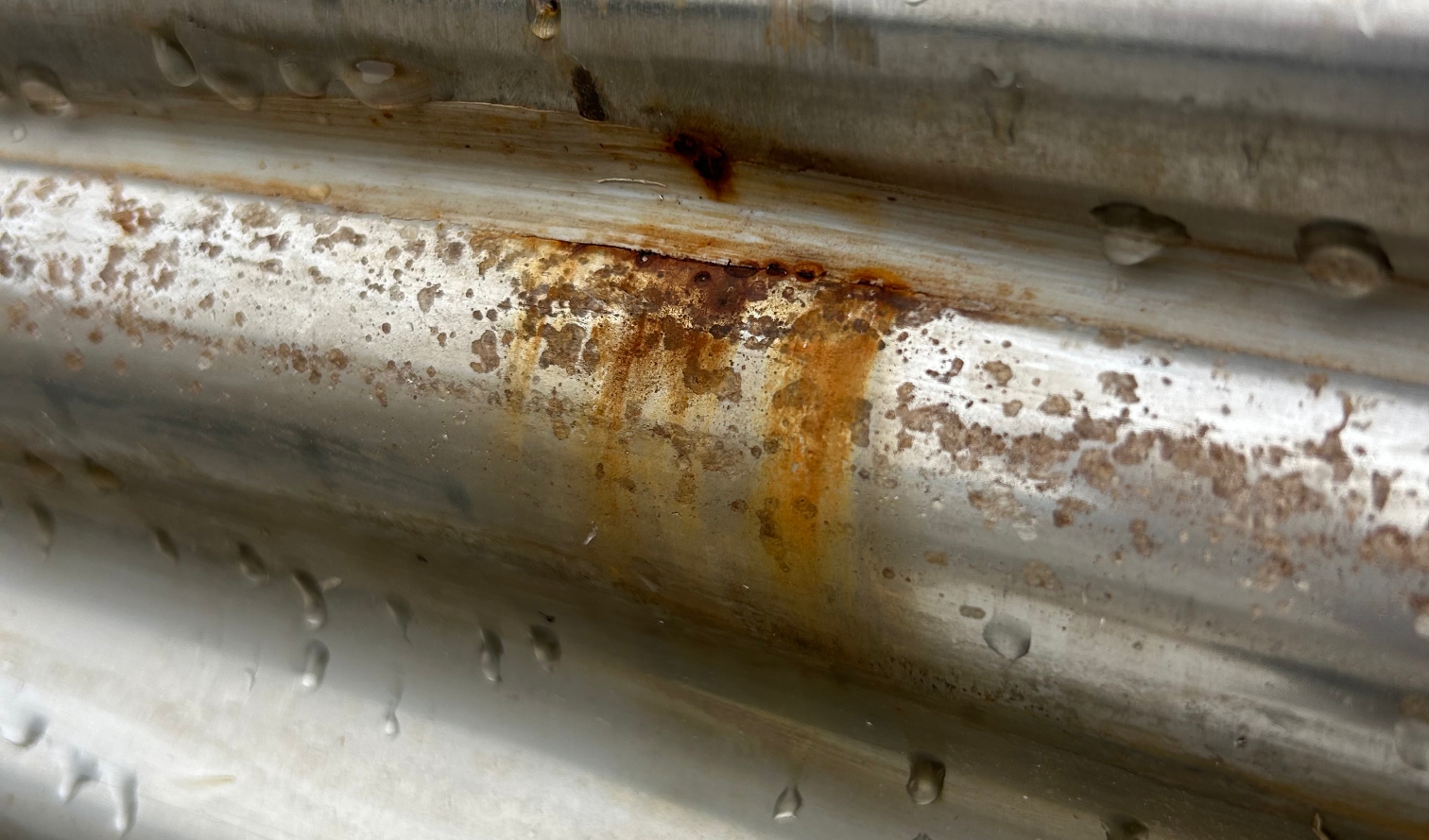
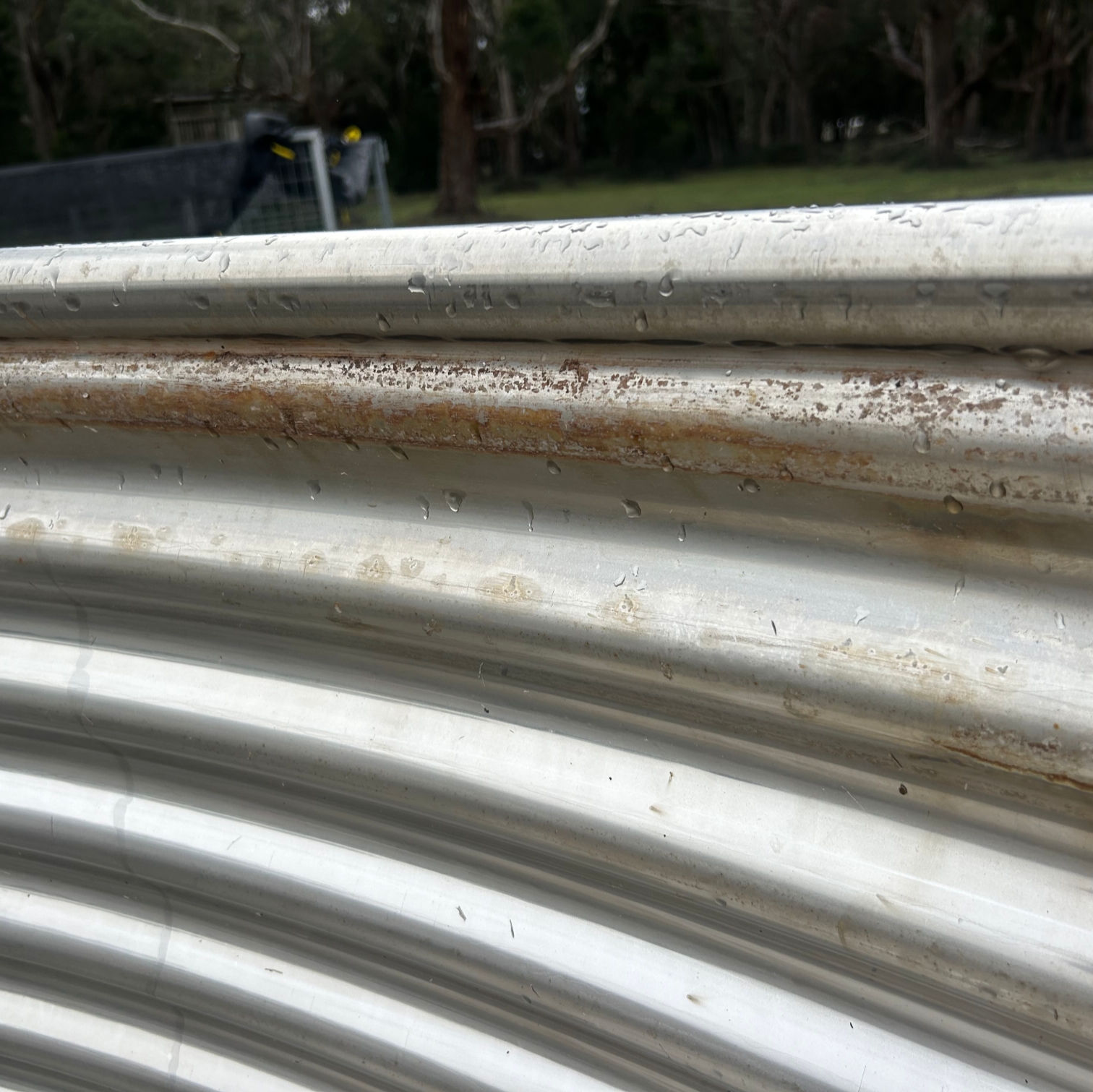
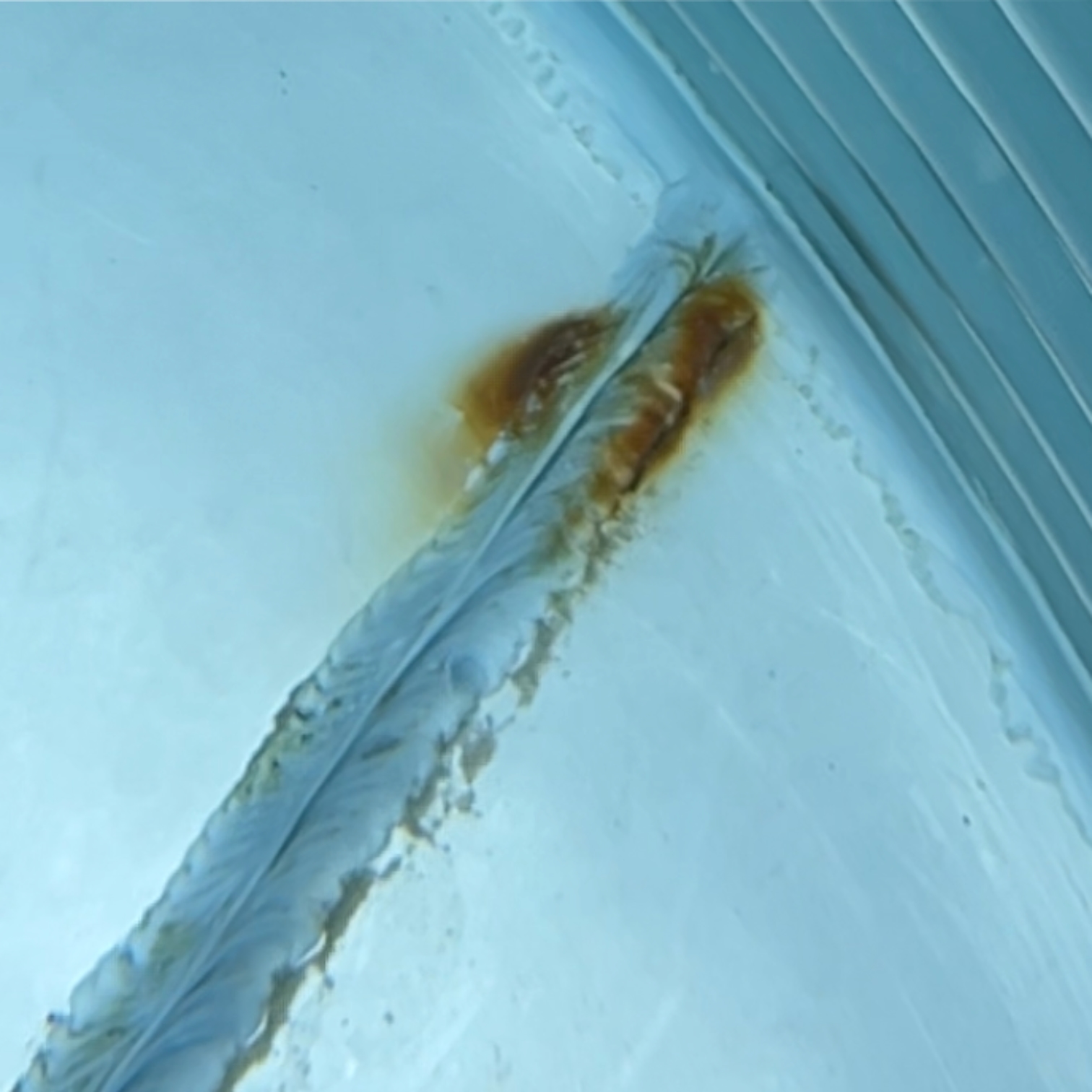
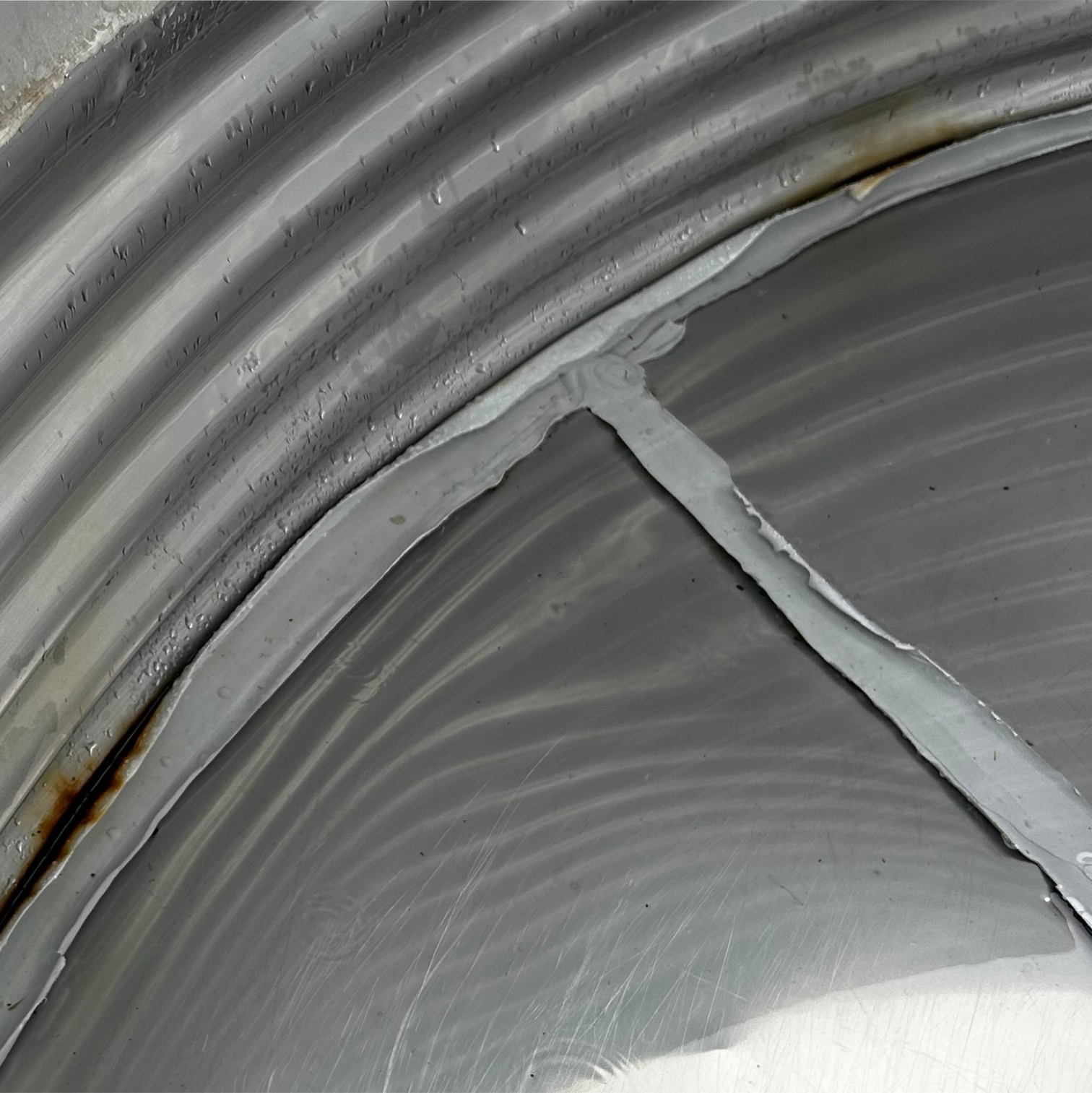
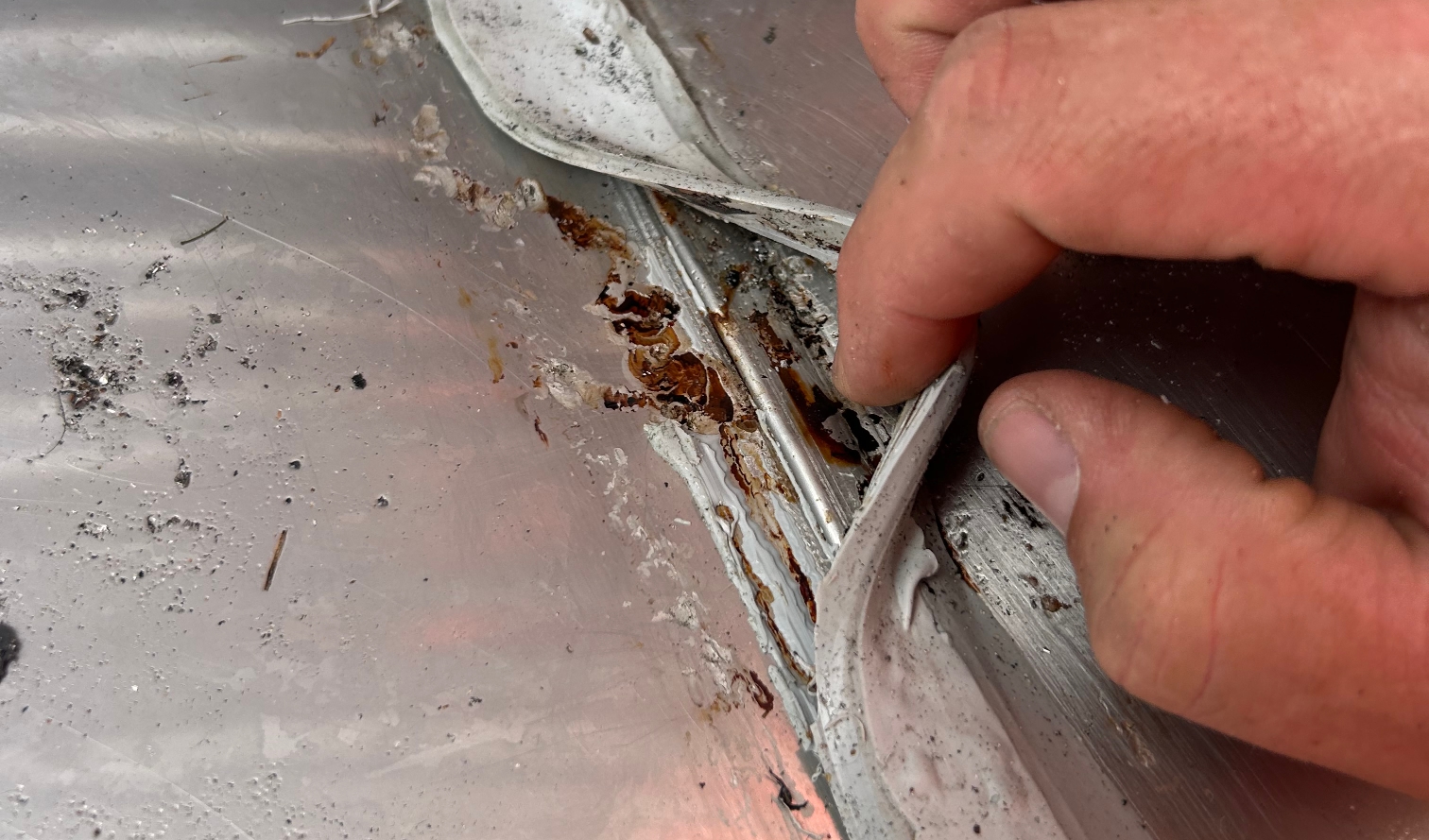
Despite the name, stainless steel is not stain-free. It’s “stain-less,” meaning it resists corrosion better than regular steel—but it’s far from invincible. In real-world conditions, stainless steel can suffer from pitting corrosion. It starts as tiny surface blemishes and can develop into deeper damage that’s costly and difficult to repair.
We’ve seen this first-hand. Several customers have come to us after using competing stainless pool shells, frustrated by rust marks, silicon condition and structural concerns appearing after just a few months. Once the surface is compromised, there’s no simple or affordable fix.
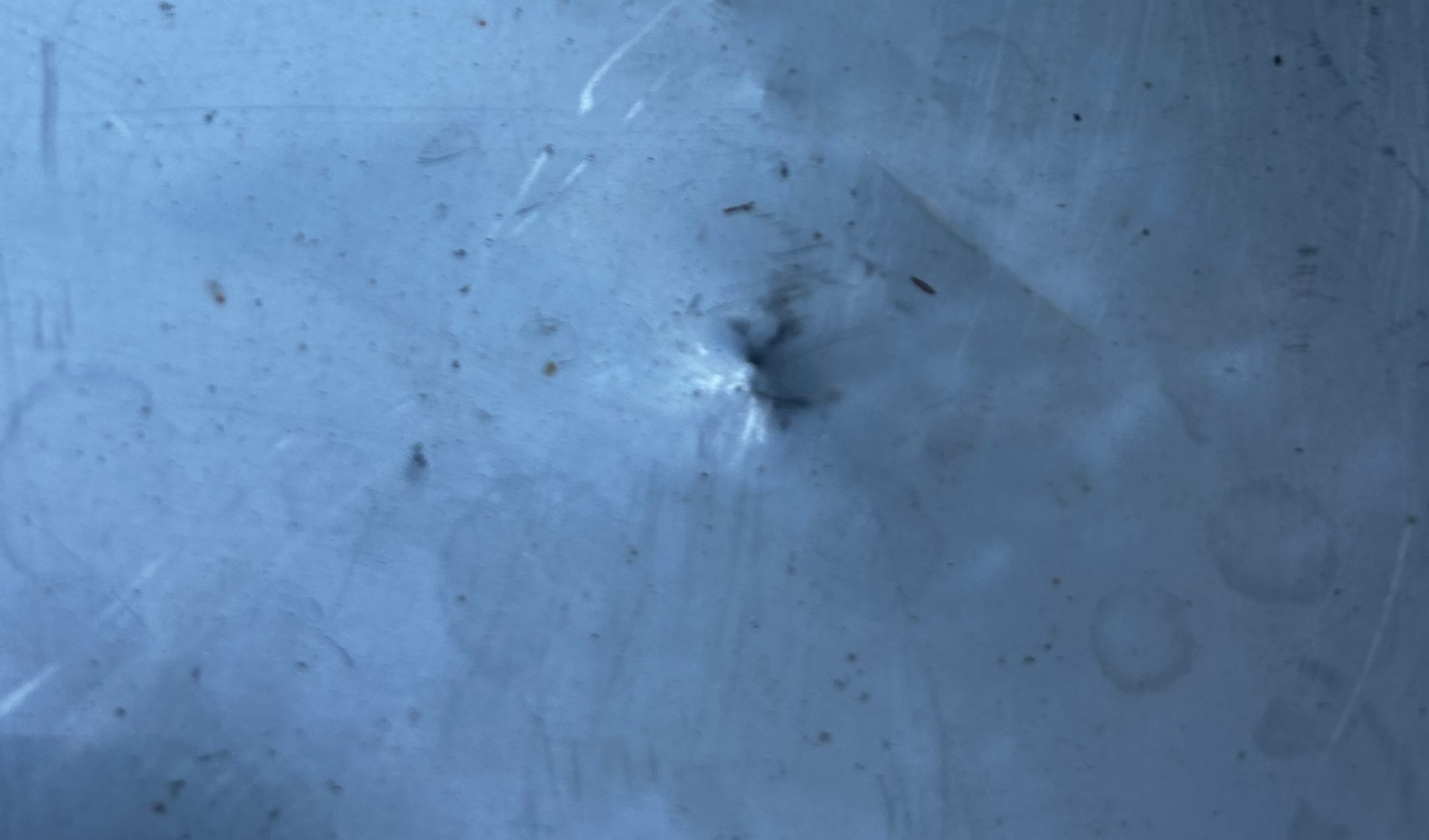
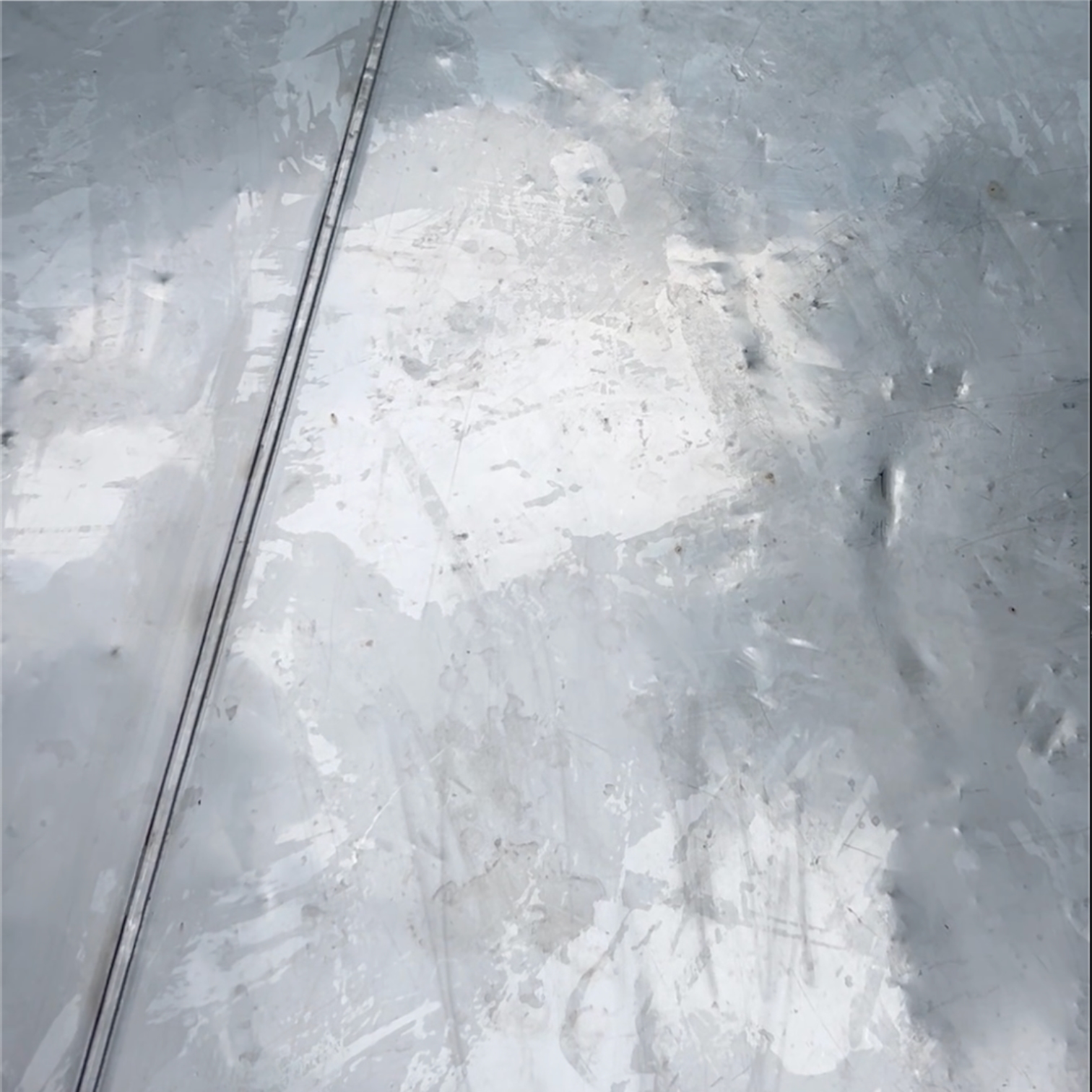
The reflective finish is stunning when brand new. But real-world use brings reality fast. Stainless steel scratches easily—weather from pod furniture, cleaning tools, and even fine debris underfoot.
And it’s not just cosmetic wear. A big part of stainless steel’s resistance to corrosion is a thin, clear passive coating. Once pool chemicals, UV exposure, or regular use begin to break that down, the surface dulls, scratches and dents start to show. Unlike concrete or fiberglass, there’s no simple way to resurface stainless steel once installed. Once it’s scratched or marked, that’s what you’re stuck with.
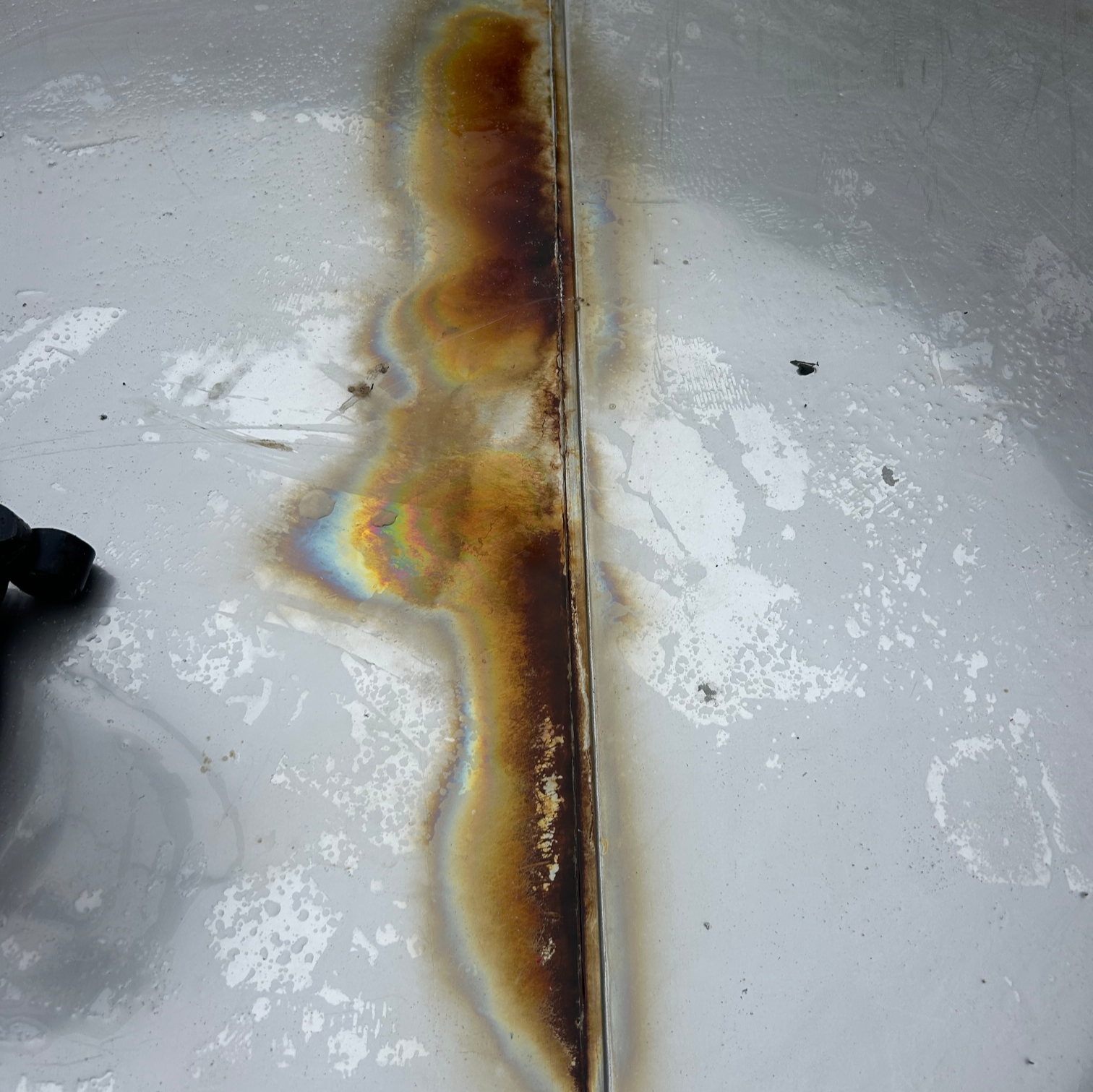
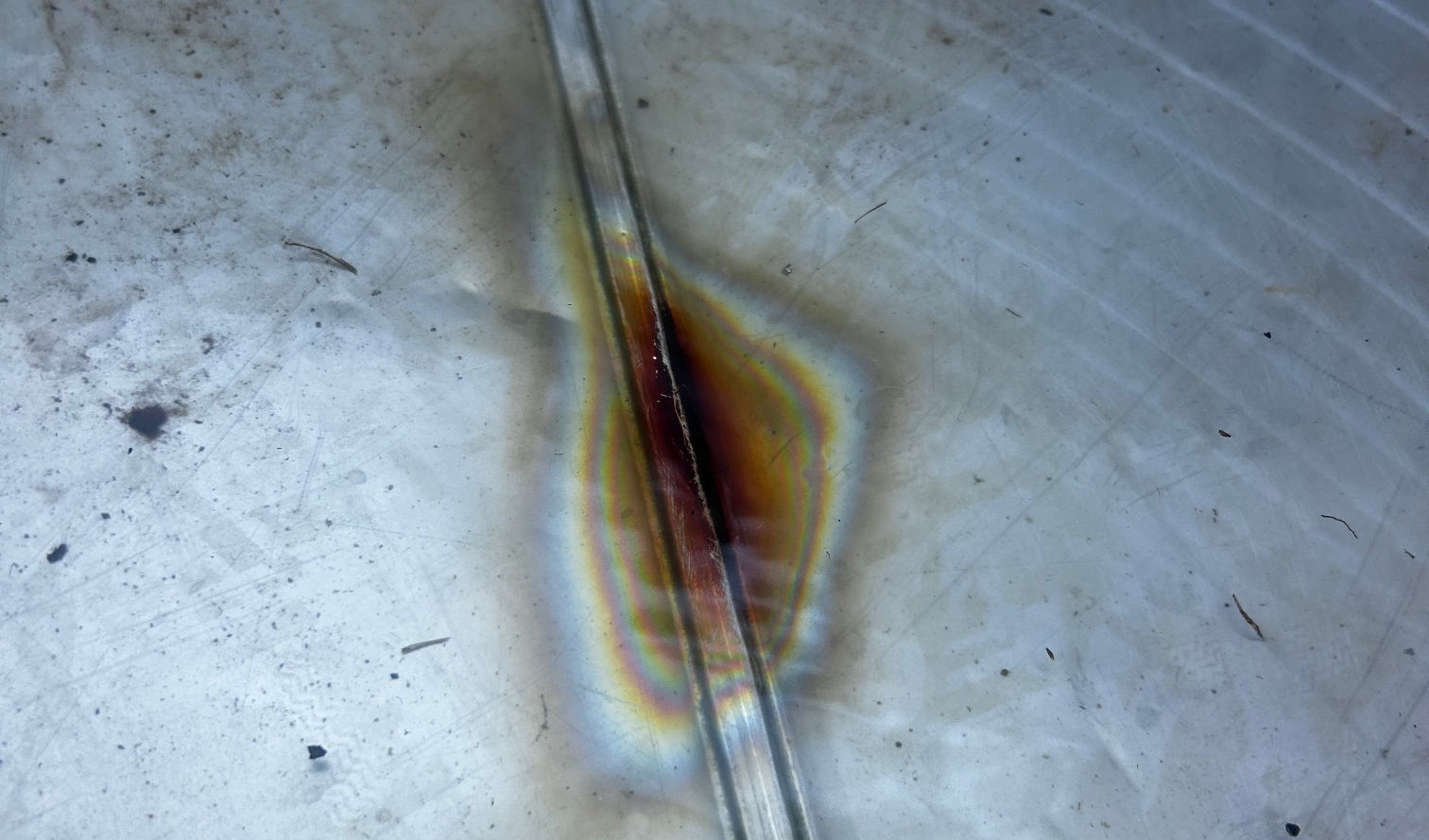
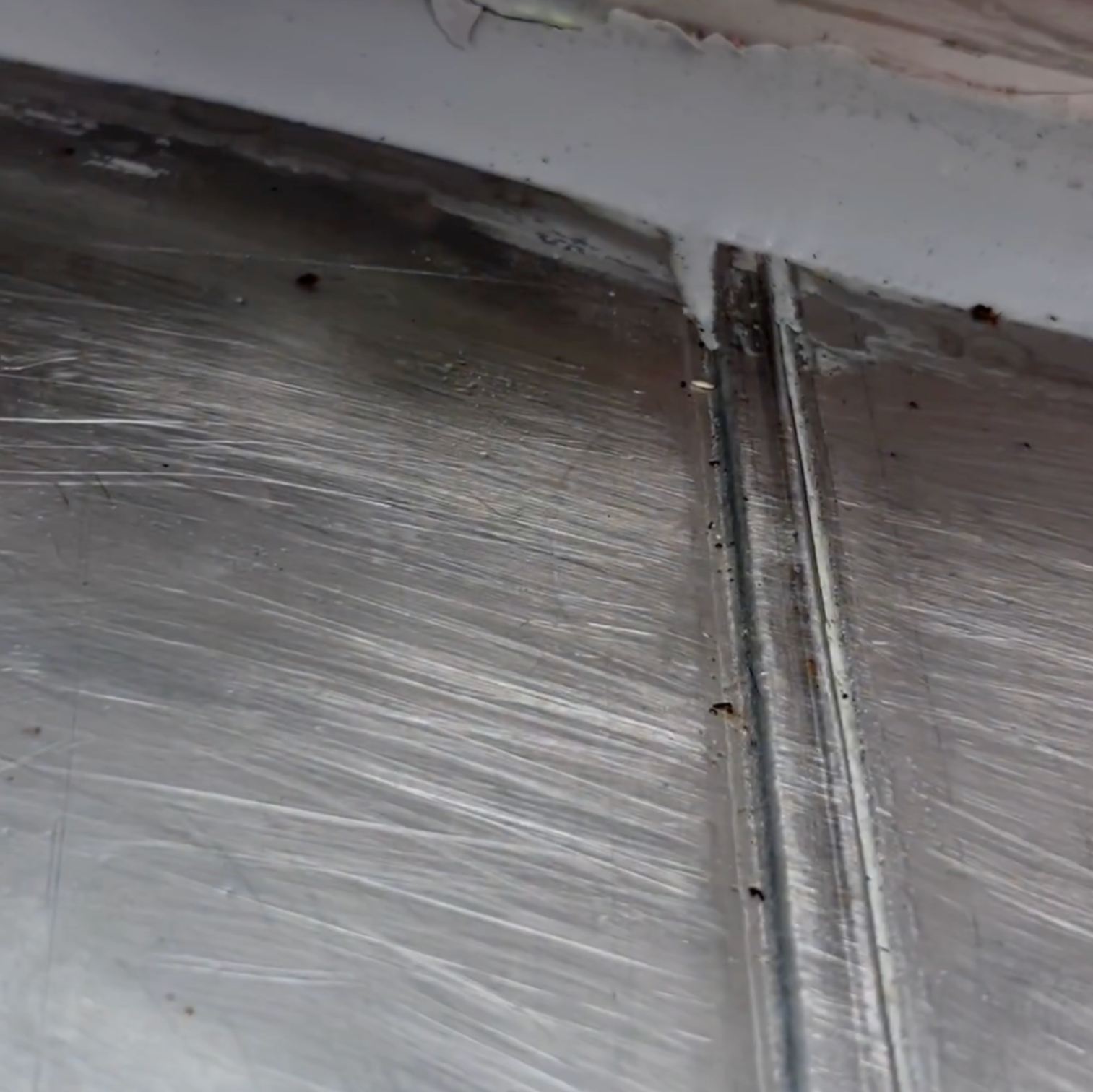
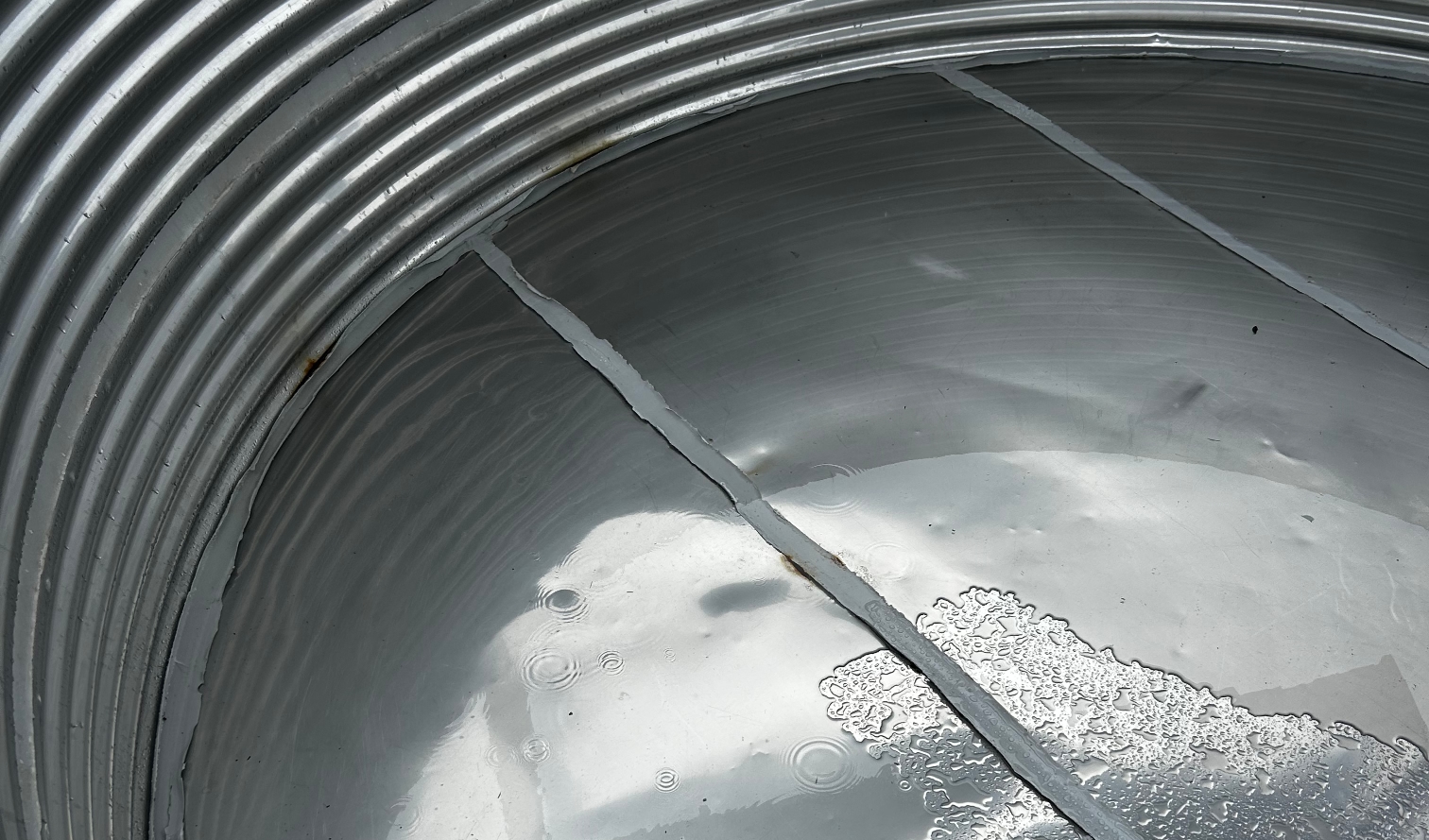
In common prefab corrugated stainless designs, waterproofing depends entirely on silicone to seal joints and edges. These pools can’t be welded, so silicone becomes the only line of defense. And while silicone holds up well in a bathroom, it’s a different story in a pool.
Exposure to UV rays, temperature changes, turbulent water, and—critically—fluctuating chlorine and pH levels causes silicone to degrade quickly. In bathrooms, silicone might last 10 years. In a pool? You’re lucky to get one. Once it shrinks, peels, or cracks, expect leaks, costly repairs, and ongoing maintenance.
Stainless steel is a metal—and metal conducts heat. That makes stainless pools poor thermal performers. Without additional insulation, they lose heat rapidly.
If you’re planning to heat your pool or use it during cooler months, expect higher energy bills. By contrast, materials like precast concrete or multi-layered shells with built-in insulation offer much better energy efficiency as part of the system.
With stainless interiors, every chemical adjustment prompts the question: Is this safe for the surface?
Aggressive sanitisers (like tablet feeders), pH swings, and imbalanced water chemistry can erode the protective layer and damage the steel underneath. Unlike concrete, fiberglass, or vinyl liners—which allow more margin for error—stainless steel requires constant monitoring and precise water balance. This not only adds to maintenance but creates long-term costs that many owners don’t anticipate.
You won’t find 10 or 20-year warranties on exposed stainless interiors, silicone seals, or related fittings. Most suppliers cap coverage at just 12 months for anything water-facing—like silicone, rubber seals, or robotic cleaner treads.
Even the leading alternative in the corrugated pool segment, which promotes a specialised sealant technology, only offers a 2-year warranty. That’s hardly a vote of confidence for something meant to last for years.
Compare that to 10–25-year warranties available on precast concrete, high-grade fiberglass, or quality vinyl-lined systems, and the confidence gap becomes impossible to ignore.
Let’s be honest—if stainless steel interiors truly delivered on every promise, the entire industry would be offering them. But most reputable pool companies steer clear. Why? Because they’ve seen how stainless performs under real-world residential use.
Stainless is fantastic for tanks and commercial water features, where welds can be used, and human activity, chemistry, and sun exposure are minimal. Where welds are possible and silicone is a minimum. But in a fluctuating pool environment, the shortcomings are impossible to ignore.
Stainless steel pools with fully exposed interiors have their place—in commercial settings or high-end architectural showcases where budgets are generous and conditions can be tightly controlled.
But for Australian families and couples looking for a tough, low-maintenance plunge pool that still looks great years down the line—not just in the showroom—stainless often falls short.
From corrosion concerns and silicone vulnerability to thermal inefficiency and chemical sensitivity, the day-to-day reality of these pools is far less glamorous than their showroom shine suggests.
Proven alternatives—like our stainless steel shells with thermally insulated vinyl lining—offer durability, thermal performance, long-term surface stability, and a track record stainless interiors simply can’t match.
Before you make a splash, take a closer look. The pool you choose should deliver peace of mind—not long-term headaches.